Why it happens here
Mould needs moisture, a food source and still air. Island winters supply the moisture: wet shoes, dogs, umbrellas and condensation, day after day, with little sun to dry the cabin. Carpets and seat foam hold that water, and dust, skin cells and food crumbs feed the growth. Cars that sit unused for weeks are the most at risk.
Prevention checklist
- Lift rubber mats and check the carpet underneath. Dry anything damp.
- Use the A/C with heat on wet days. It removes moisture from the air.
- Use fresh-air mode more than recirculate so humid air can leave.
- Clear leaves from the cowl below the windshield and from sunroof drains.
- Check door and trunk seals if one footwell or the trunk is often wet.
- Leave a reusable moisture absorber in a car that sits for long periods.
- Crack the windows in a dry garage so air can move.
Cleaning mould that's already there
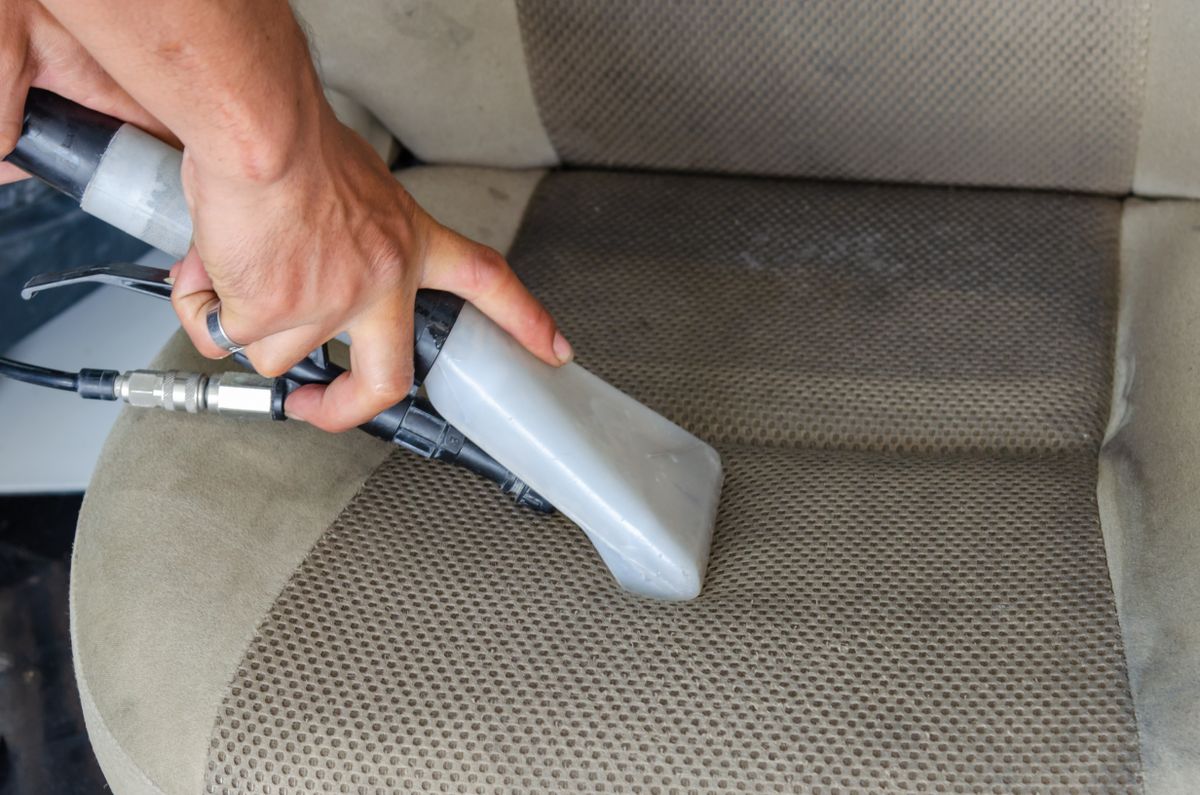
Wear gloves and a mask, and work with the doors open. Vacuum loose growth with a HEPA-filter vacuum, clean hard surfaces with an interior cleaner, then extract carpets and fabric with hot water and dry them completely. Fans and a dehumidifier help. If mould covers a large area, has got into seat foam, or anyone in the household has asthma or allergies, have it done professionally. Our interior detail with the mould and odour treatment is designed for exactly this.
When it keeps coming back
Recurring mould almost always means water is still getting in. Common causes are blocked sunroof or cowl drains, a failed door seal or a heater core leak. Fix the leak first, or any cleaning will only be temporary. A mechanic or body shop can trace it.